MUJI
Meal Box
Simplifying your in-car dining routine.
Eating in the car is compromised by motion and limited space. The MUJI Meal Box simplifies the experience into one intuitive flow, making meals on the go feel effortless and enjoyable.
Duration
Software
Skillset
6 weeks
Solidworks, Rhino, Keyshot, Blender
Research, Prototyping, DFM, Surface modeling


Cars as extensions of the home.
More road trips post pandemic have made the car a third space for daily routines to save time.
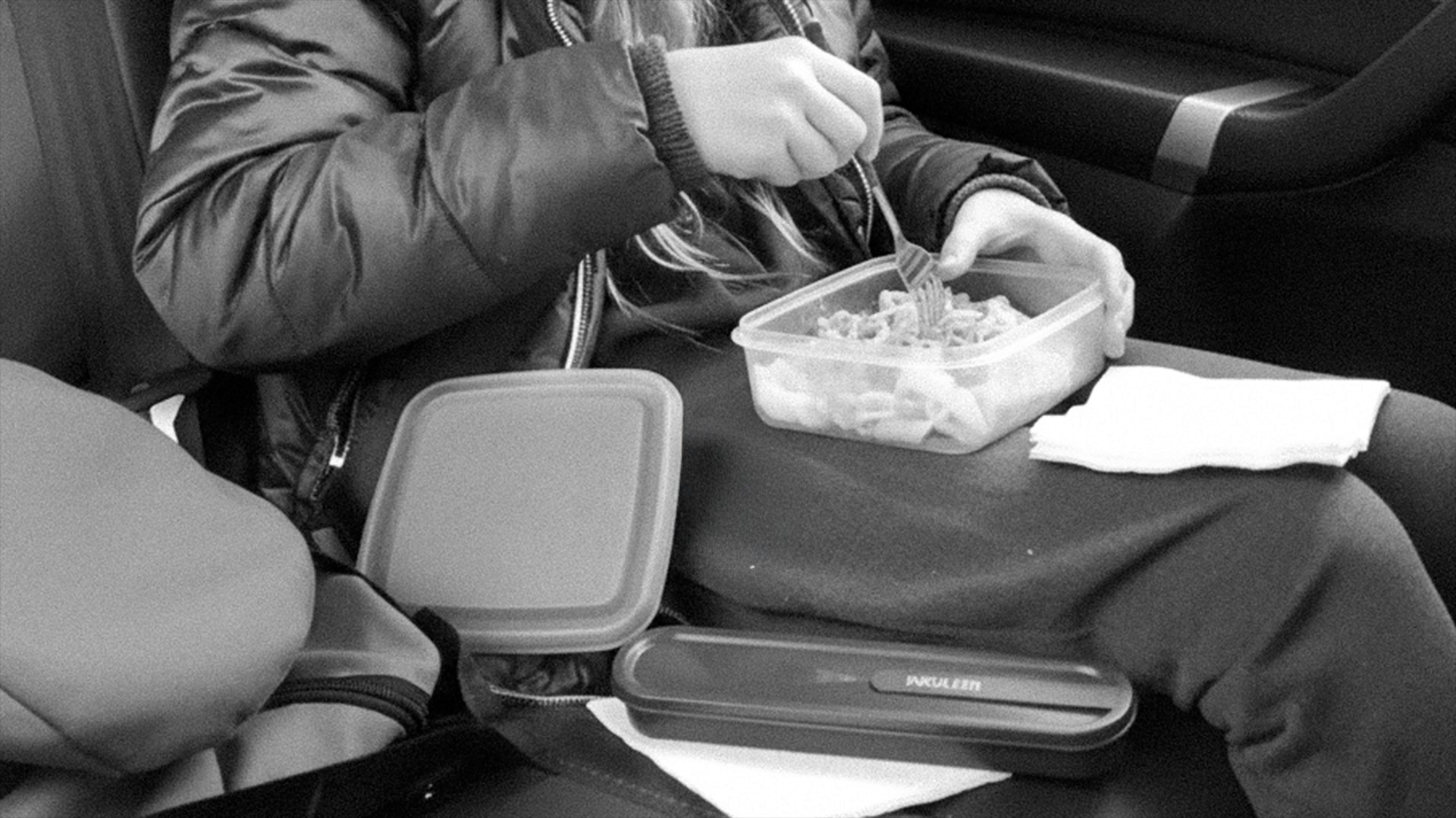
A scattered routine.
Current lunchboxes are not designed for constrained spaces, leaving users to juggle multiple separate parts while on the move.
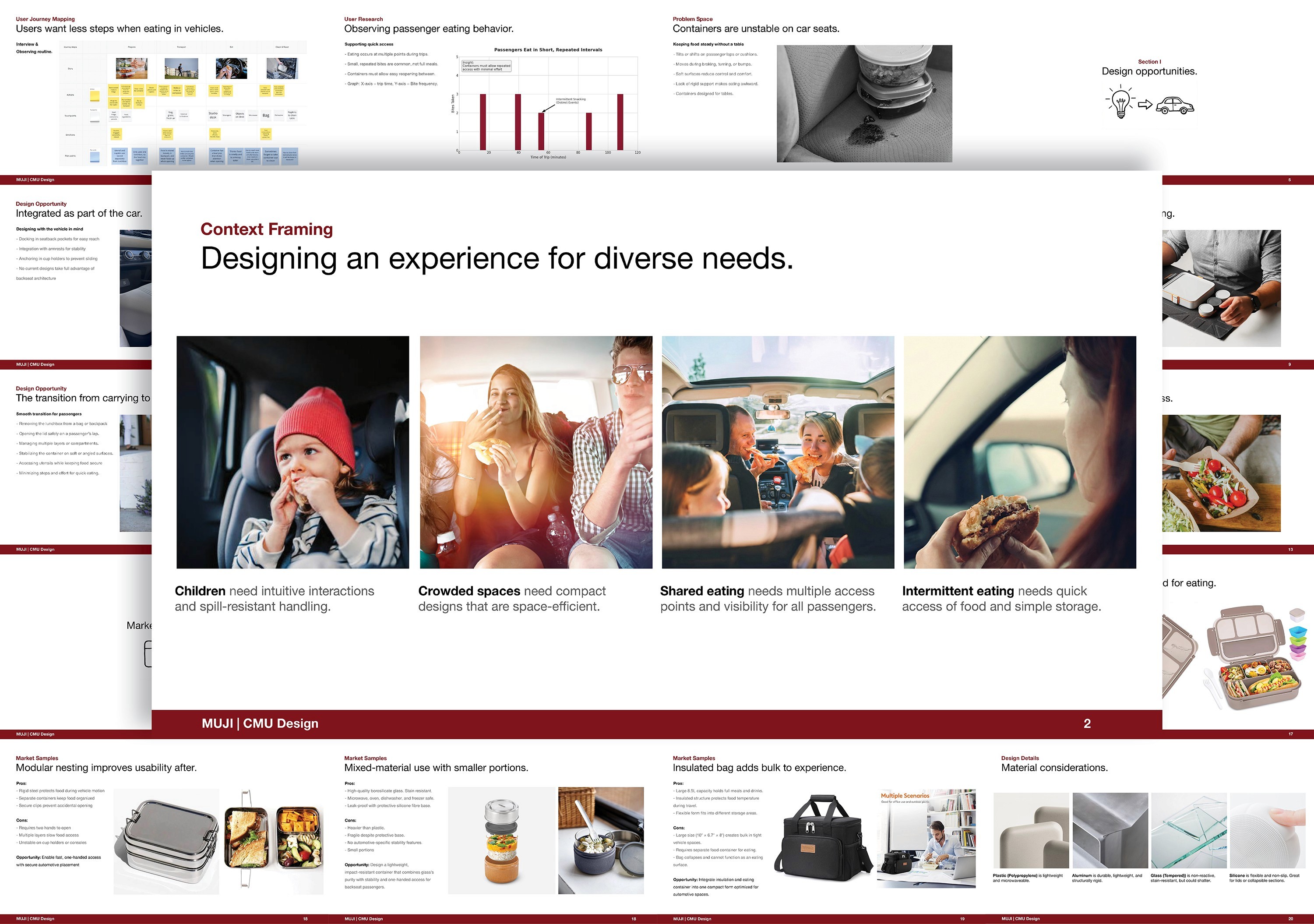
Presenting 20+ pages of in-depth research.
Explored the problem space through journey mapping, opportunity framing, and market analysis.

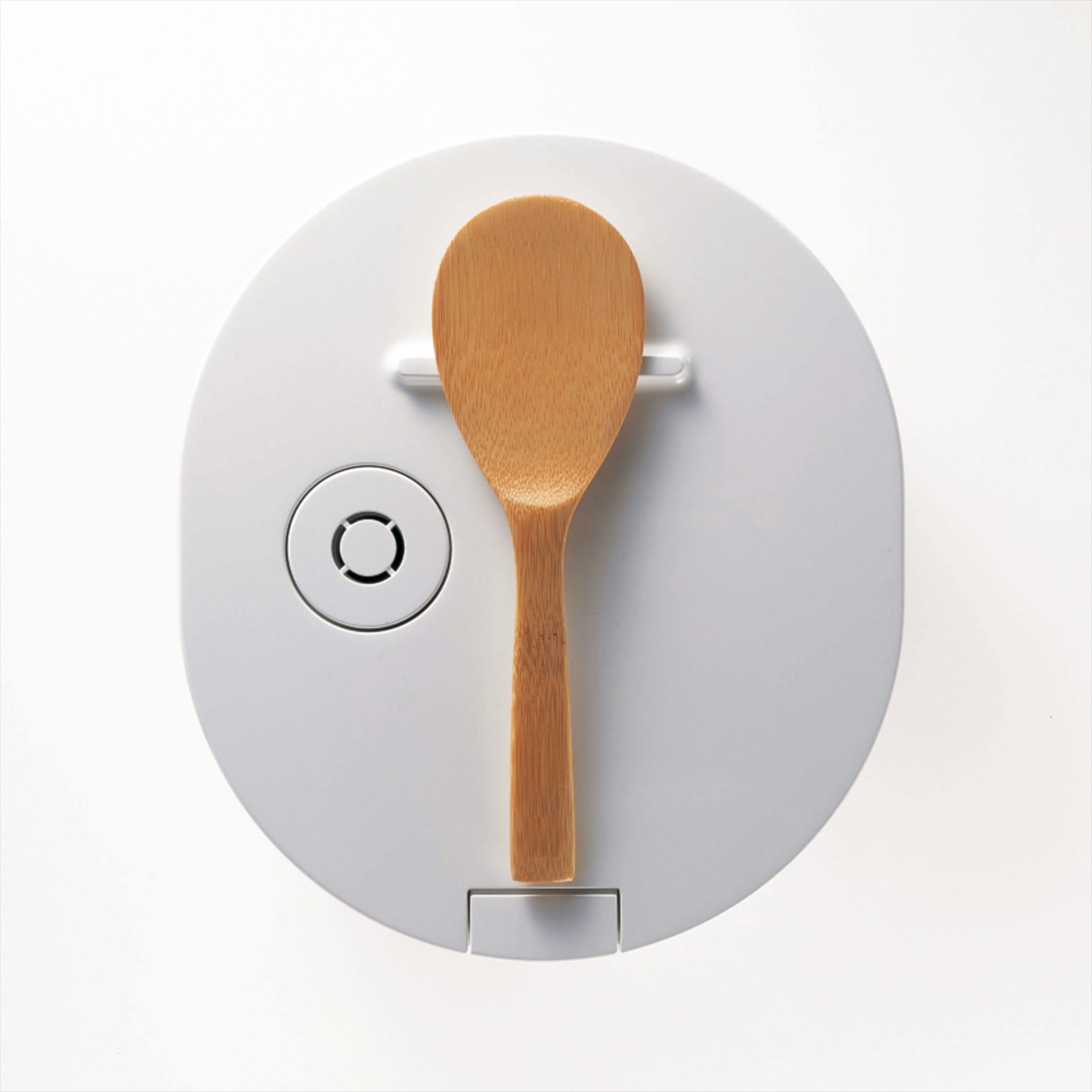
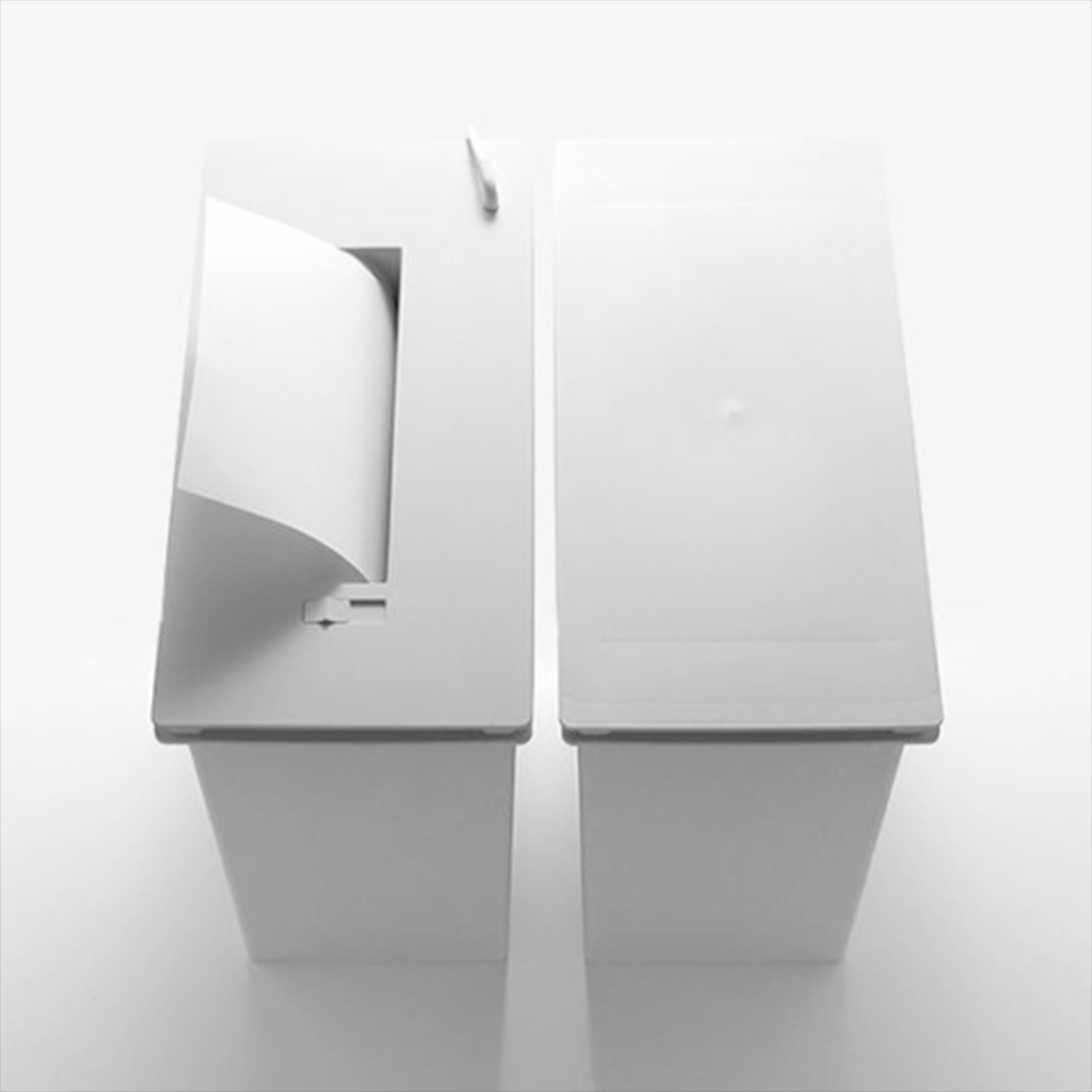
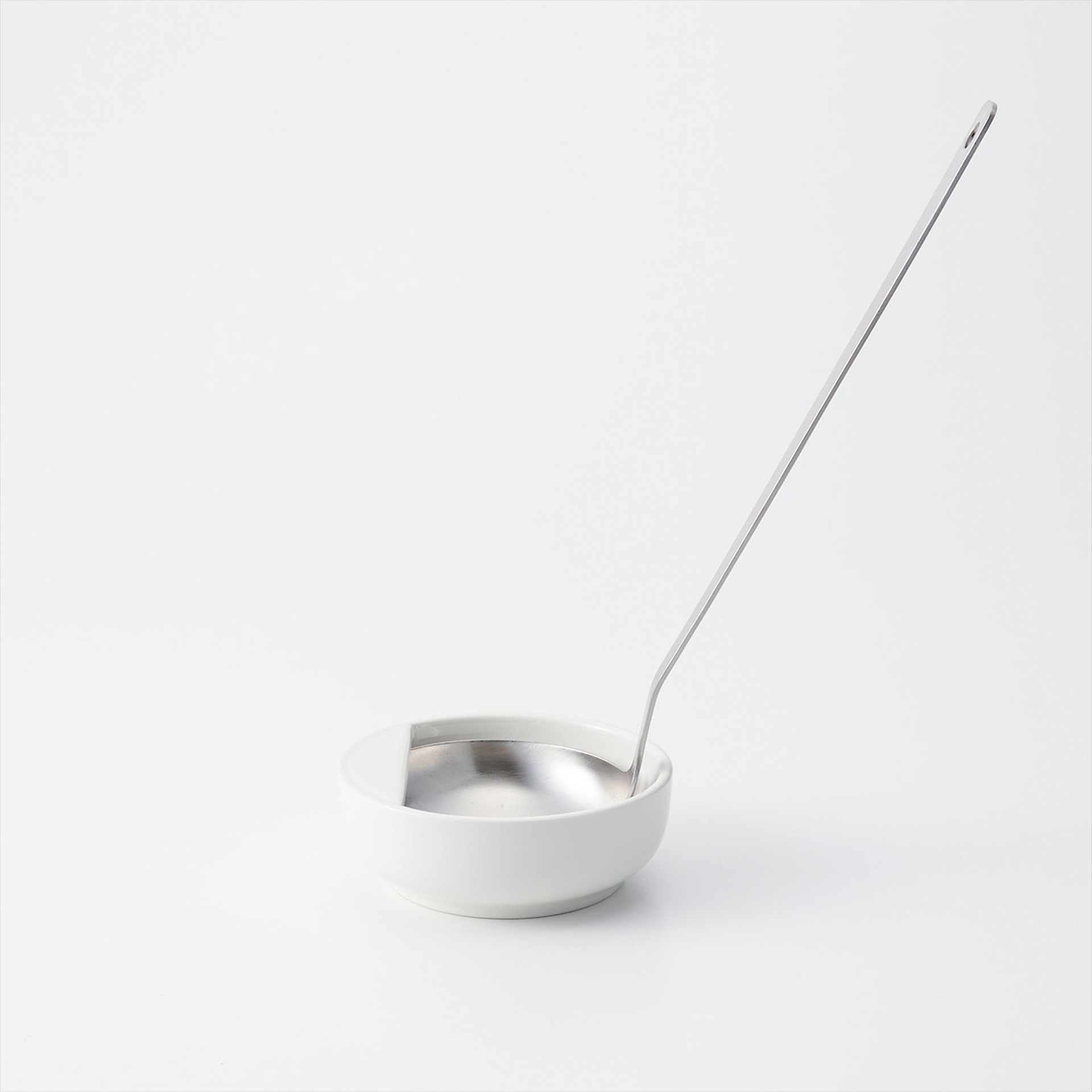
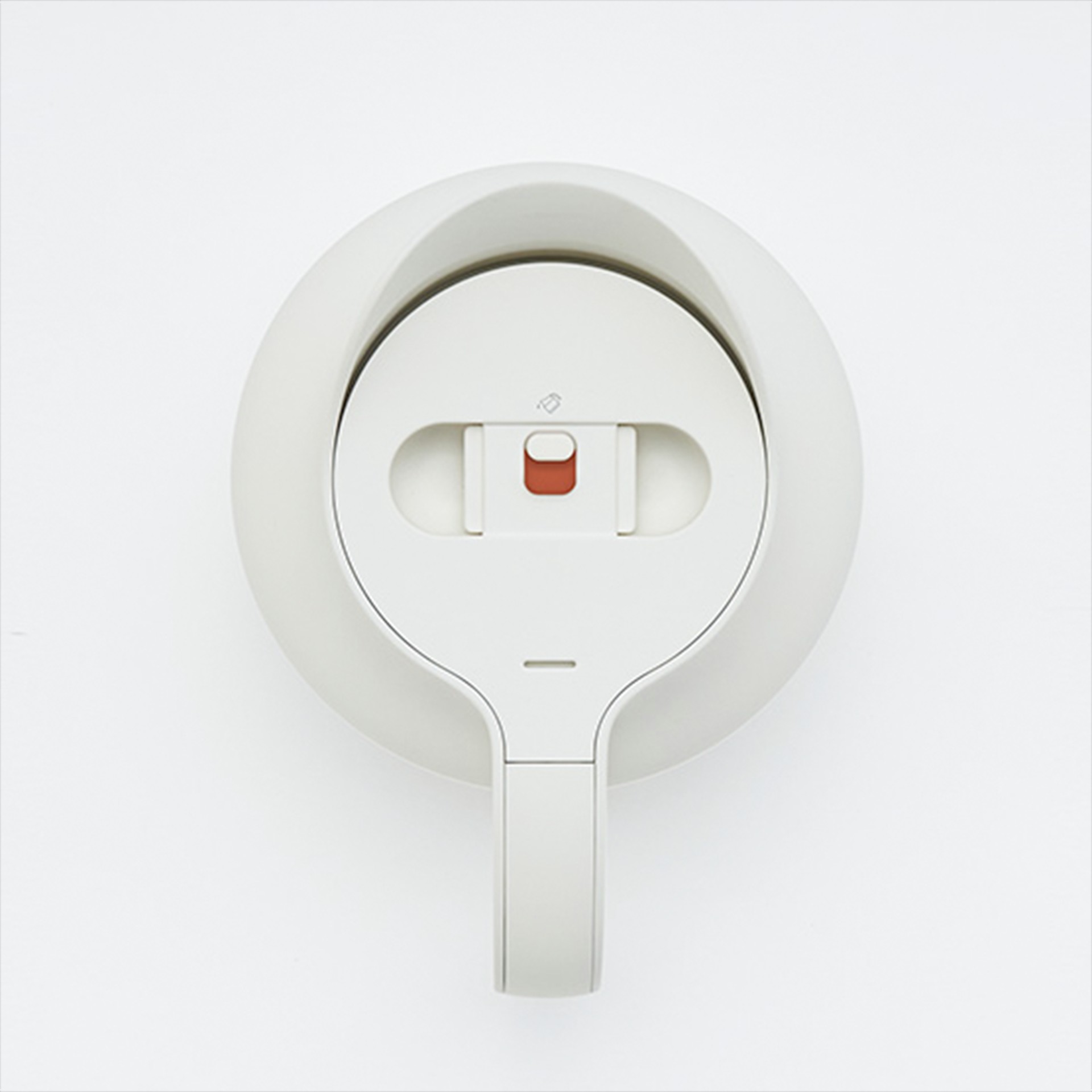
MUJI: Flow by design.
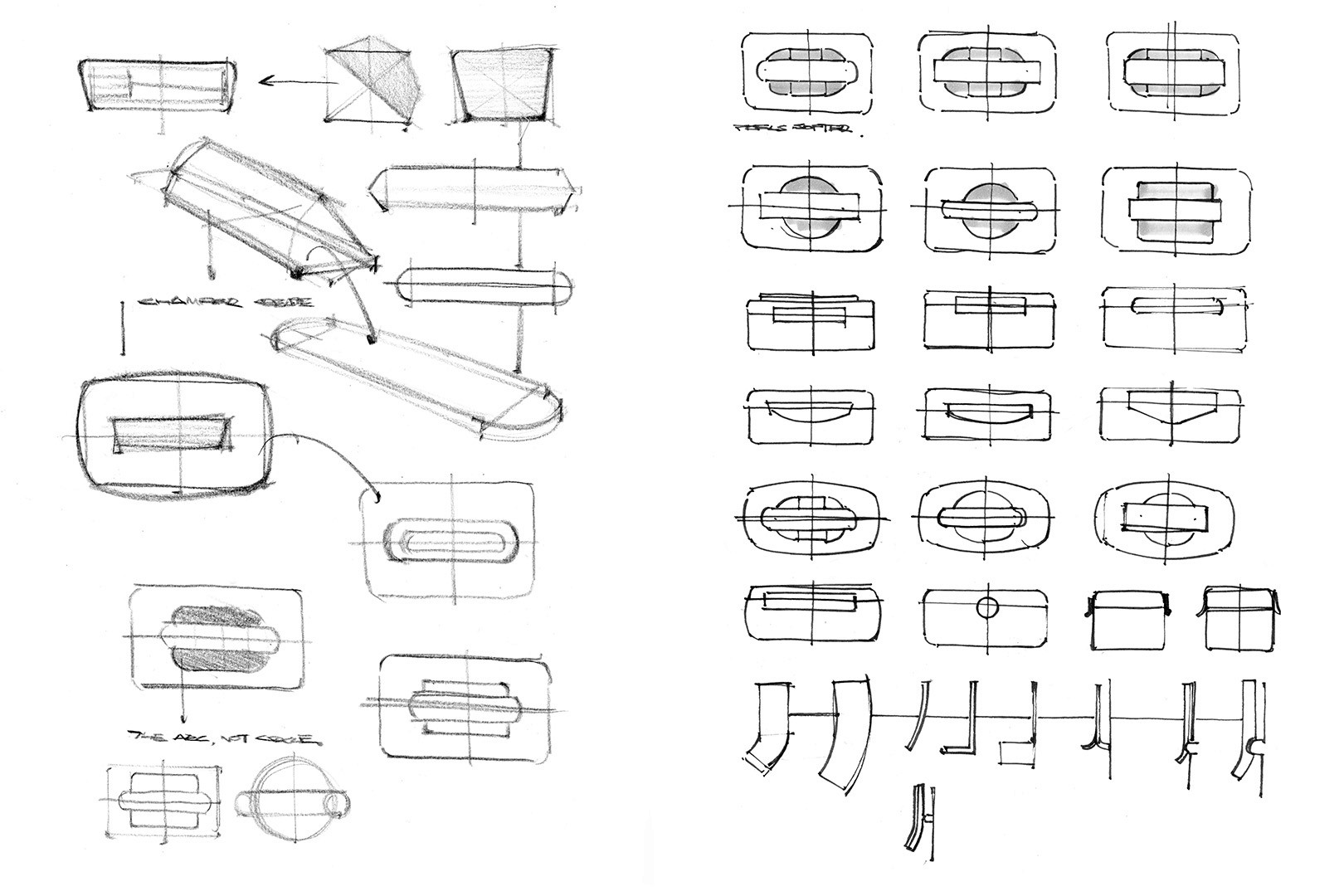
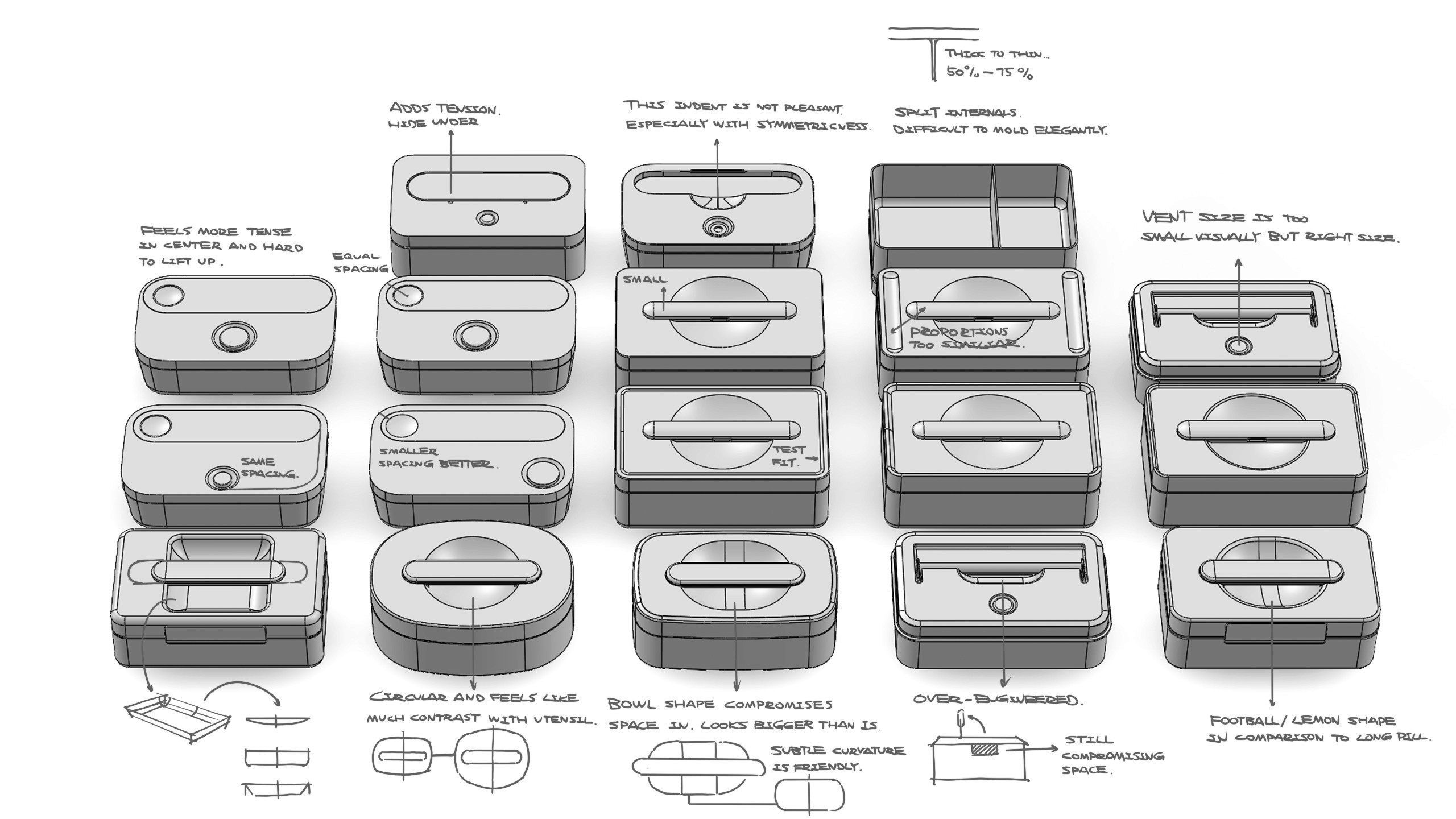
MUJI focuses on clear, uninterrupted motion in everyday use. Its forms are restrained and intuitive, shaped by how the hand moves with a quiet sense of play.

Simple utensil access.
A soft pull moves the fork into the eating hand.

Seamless handling.
The utensil remains in the hand as a soft pull on the rubber vent opens the lid, eliminating any need to set the fork down.
Compact storage.
The flipped lid provides a stable base for stacking, conserving space in the car.
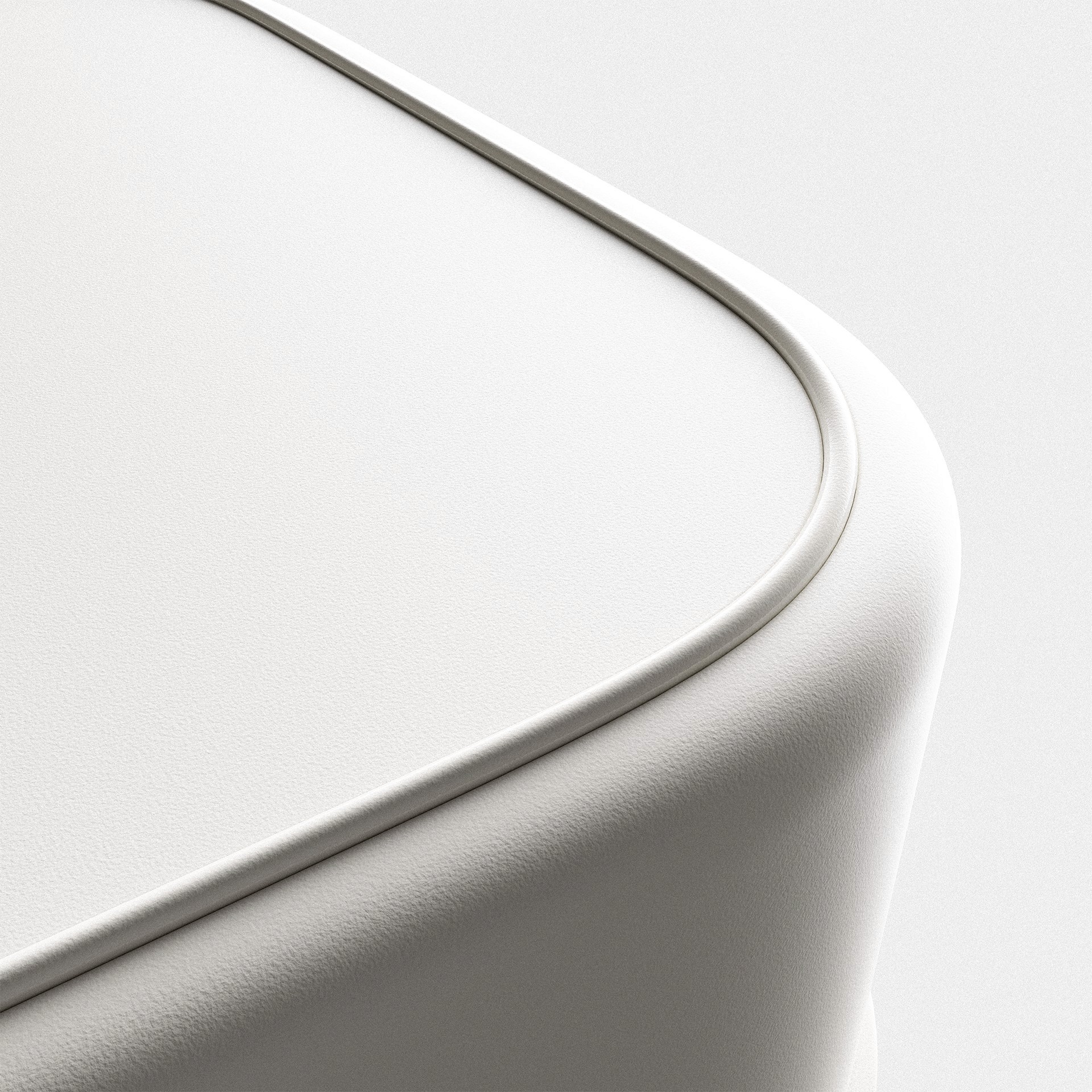
Non-slip.
An over-molded silicone ring prevents slipping and keeps the lunchbox stable in a moving car.
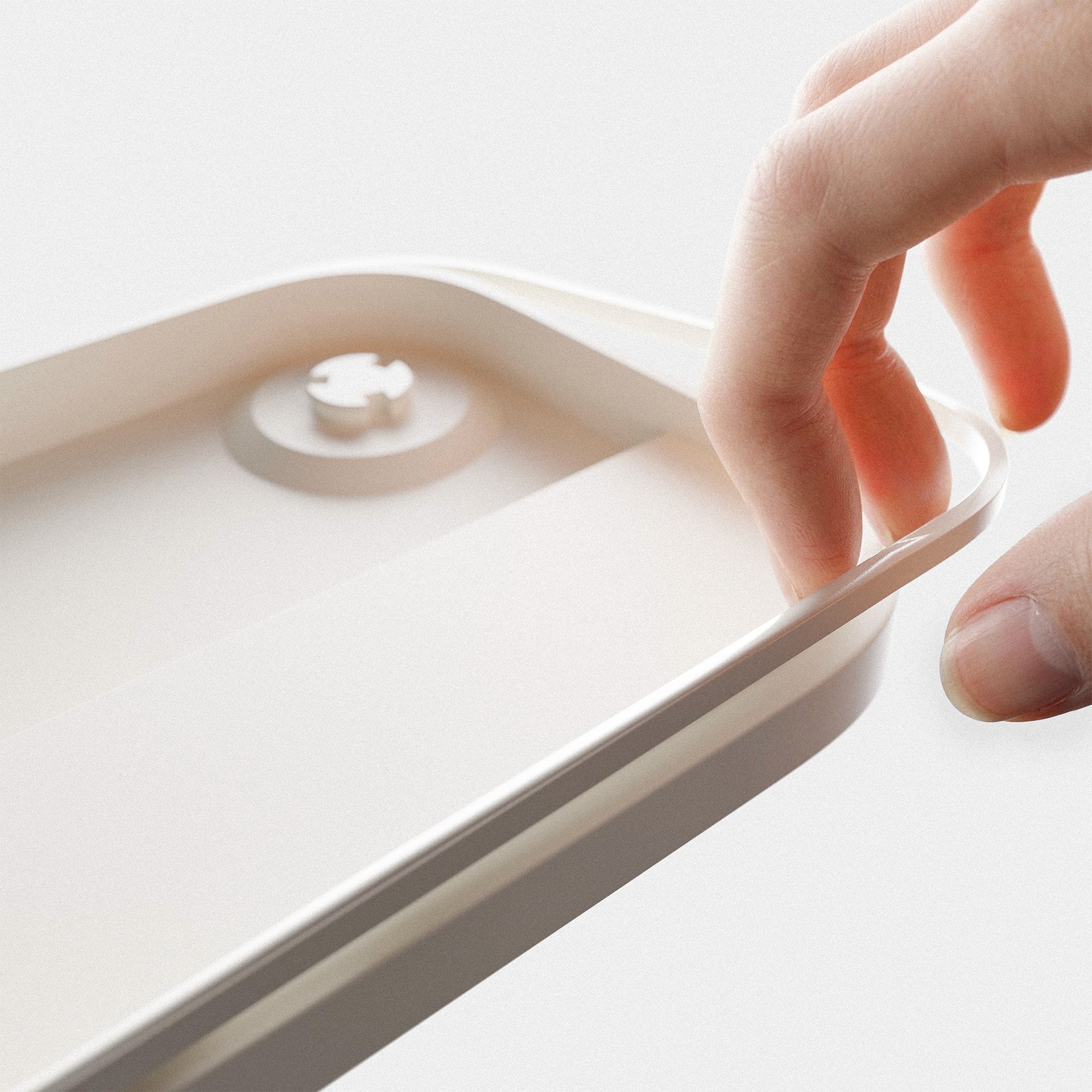
Easy to clean.
The silicone gasket detaches from the lid, and flat surfaces minimize crevices to ensure thorough cleaning.
Users need a smooth and engaging experience.
What if eating in the car became one uninterrupted action?
Levering the fork.
A see-saw action lifts the fork’s tail for access, and an overmolded magnet secures the lid.
Reheats with no mess.
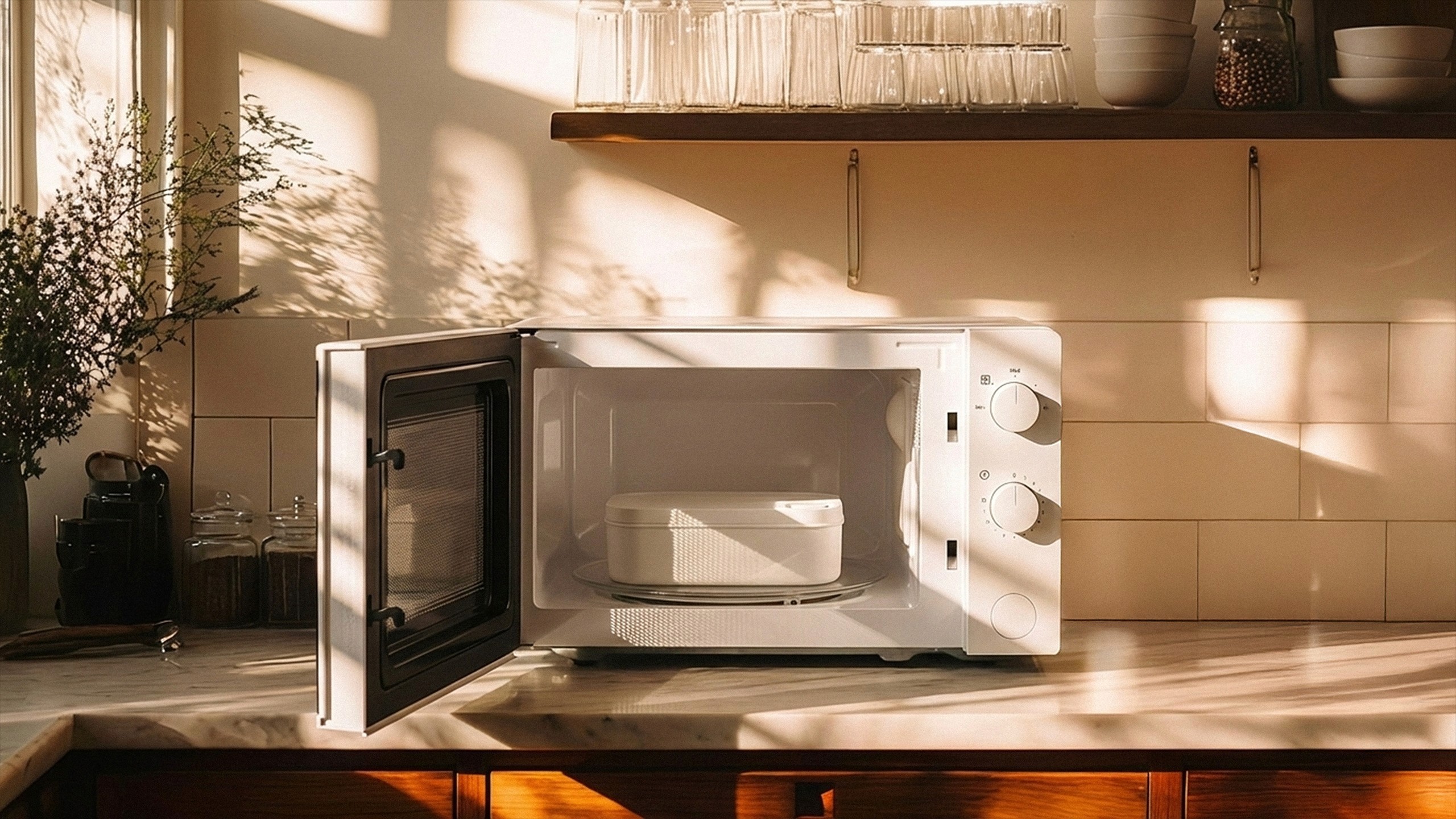
The lunchbox microwaves with the lid closed, containing splatter while the vent releases steam.



MUJI Meal Box
Simplifying your in-car dining routine.
Eating in the car is compromised by motion and limited space. The MUJI Meal Box simplifies the experience into one intuitive flow, making meals on the go feel effortless and enjoyable.
Duration
Software
Skillset
6 weeks
Solidworks, Rhino, Keyshot, Blender
Research, Prototyping, DFM, Surface modeling
Cars as extensions of the home.
More road trips post pandemic have made the car a third space for daily routines to save time.
A scattered routine.
Current lunchboxes are not designed for constrained spaces, leaving users to juggle multiple separate parts while on the move.
Presenting 20+ pages of in-depth research.
Explored the problem space through journey mapping, opportunity framing, and market analysis.
Users want a smooth and engaging experience.
What if eating in the car became one uninterrupted action?
MUJI: Flow by design.
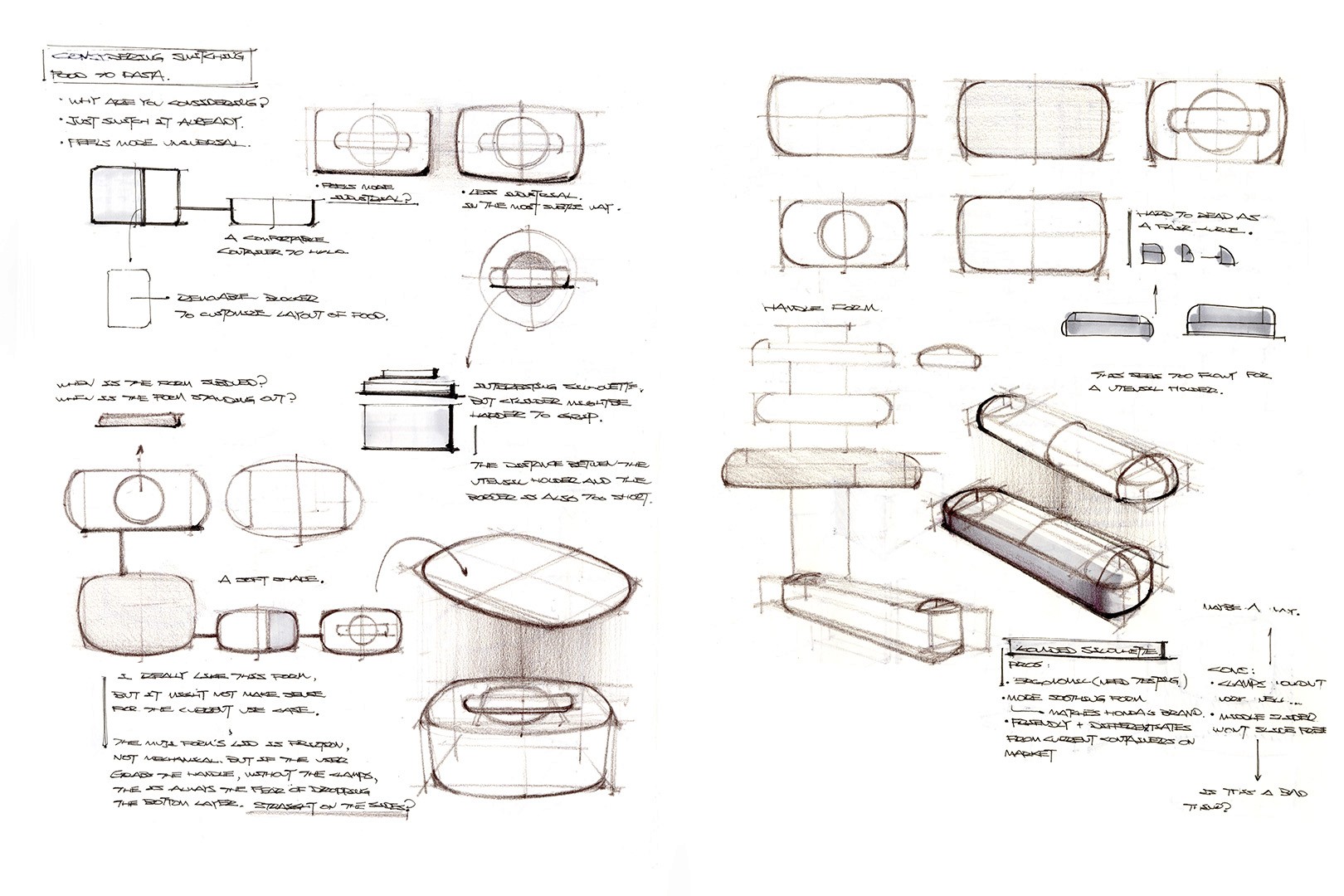
MUJI focuses on smooth motion in everyday use. Its forms are restrained and intuitive, shaped by how the hand moves with a quiet sense of play.
Levering the fork.
A see-saw action lifts the fork’s tail for access, and an overmolded magnet secures the lid.
Simple utensil access.
A soft pull moves the fork into the eating hand.
Seamless handling.
The utensil remains in the hand as a soft pull on the rubber vent opens the lid, eliminating any need to set the fork down.
Compact storage.
The flipped lid provides a stable base for stacking, conserving space in the car.
Non-slip.
An over-molded silicone ring prevents slipping and keeps the lunchbox stable in a moving car.
Easy to clean.
The silicone gasket detaches from the lid, and flat surfaces minimize crevices to ensure thorough cleaning.
Reheats with no mess.
The lunchbox microwaves with the lid closed, containing splatter while the vent releases steam.
Integrating design into car.
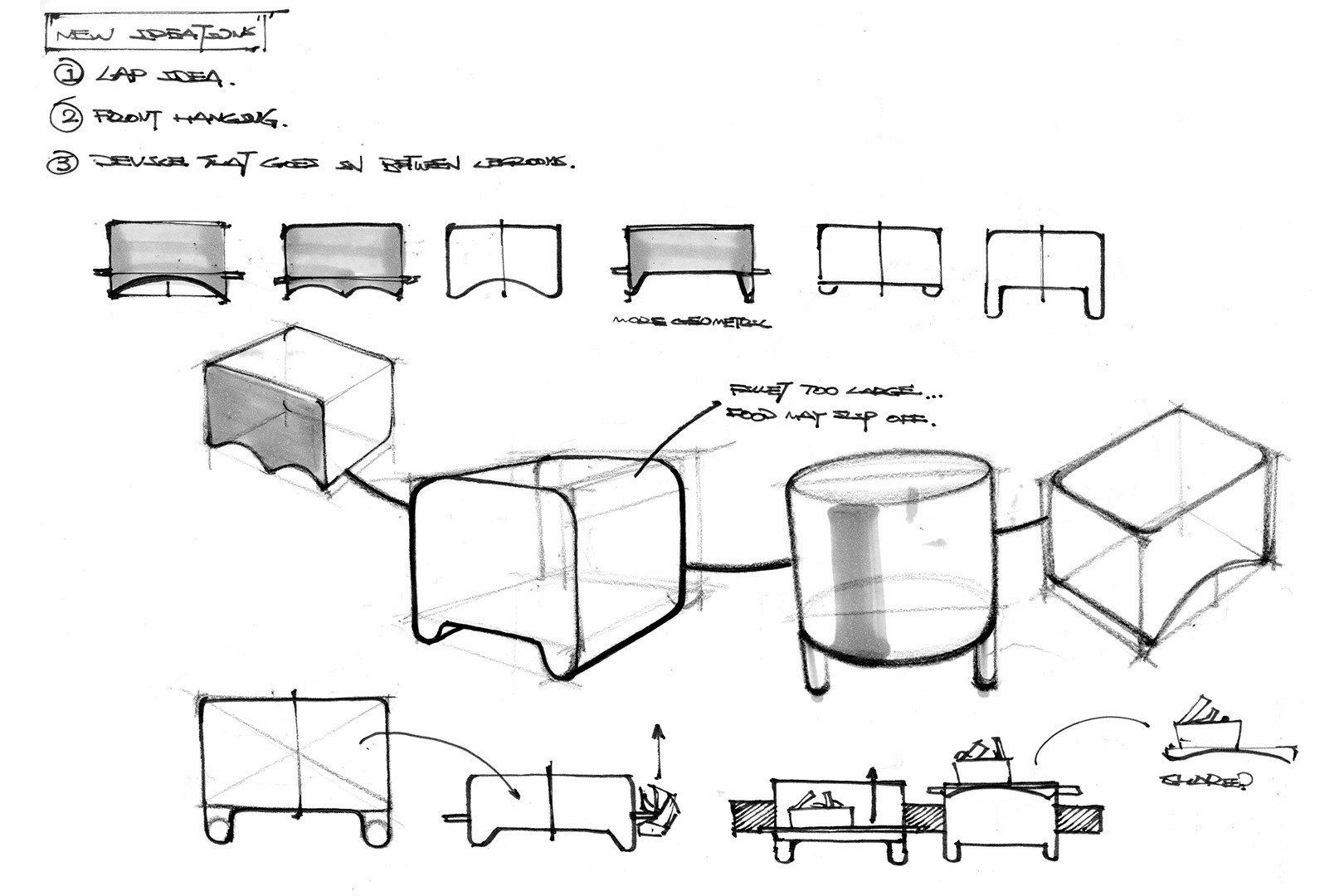
Attaching to front seat.
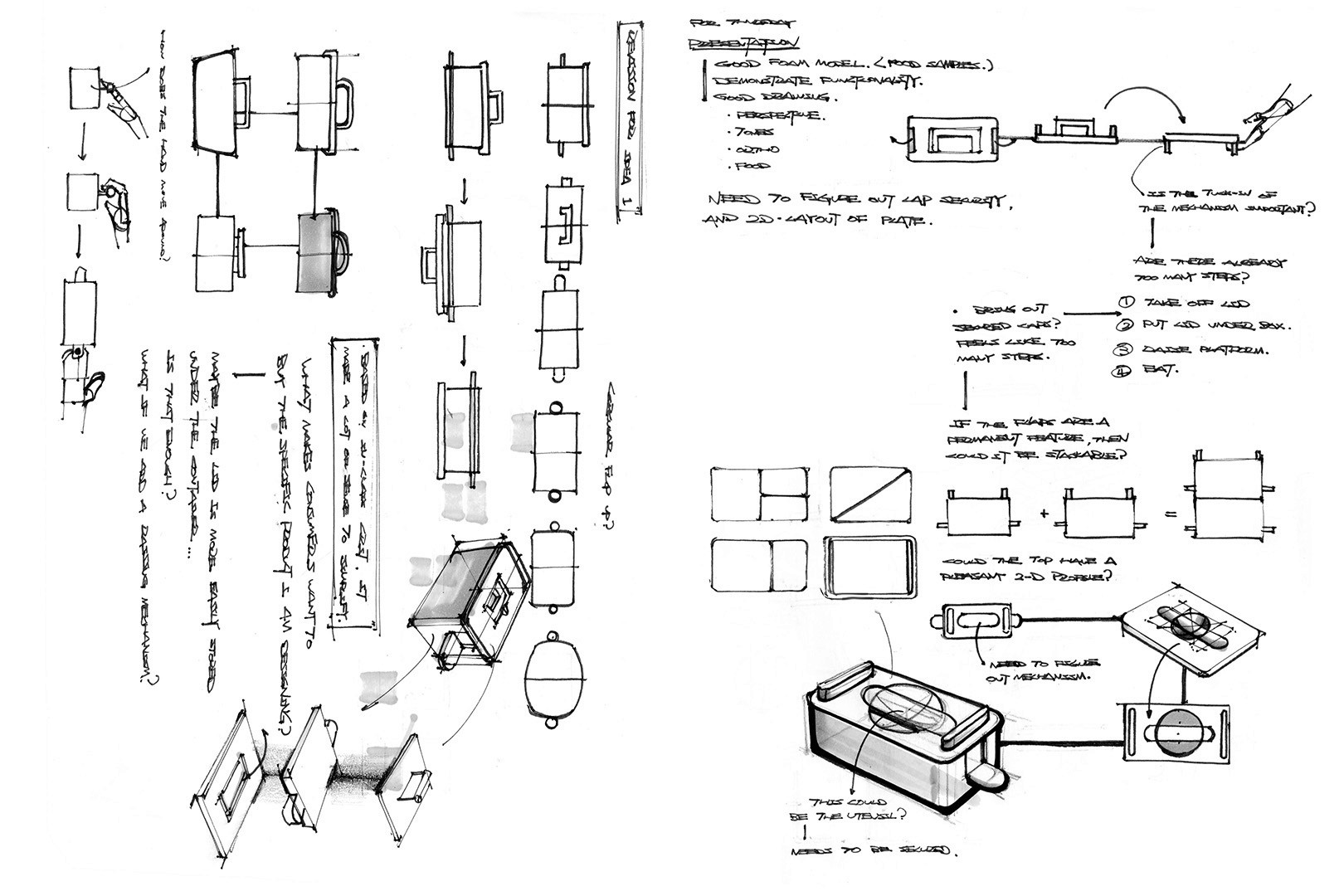
Iterating lap-secured concept.
Incorporating utensil.